
Plenty of people assume a Duck Creek Village cabin will leave them cut off from everything. That worry is partly fair. The village is far from the city, and restaurants and shops keep very limited hours, so planning matters more here than it would near a town.
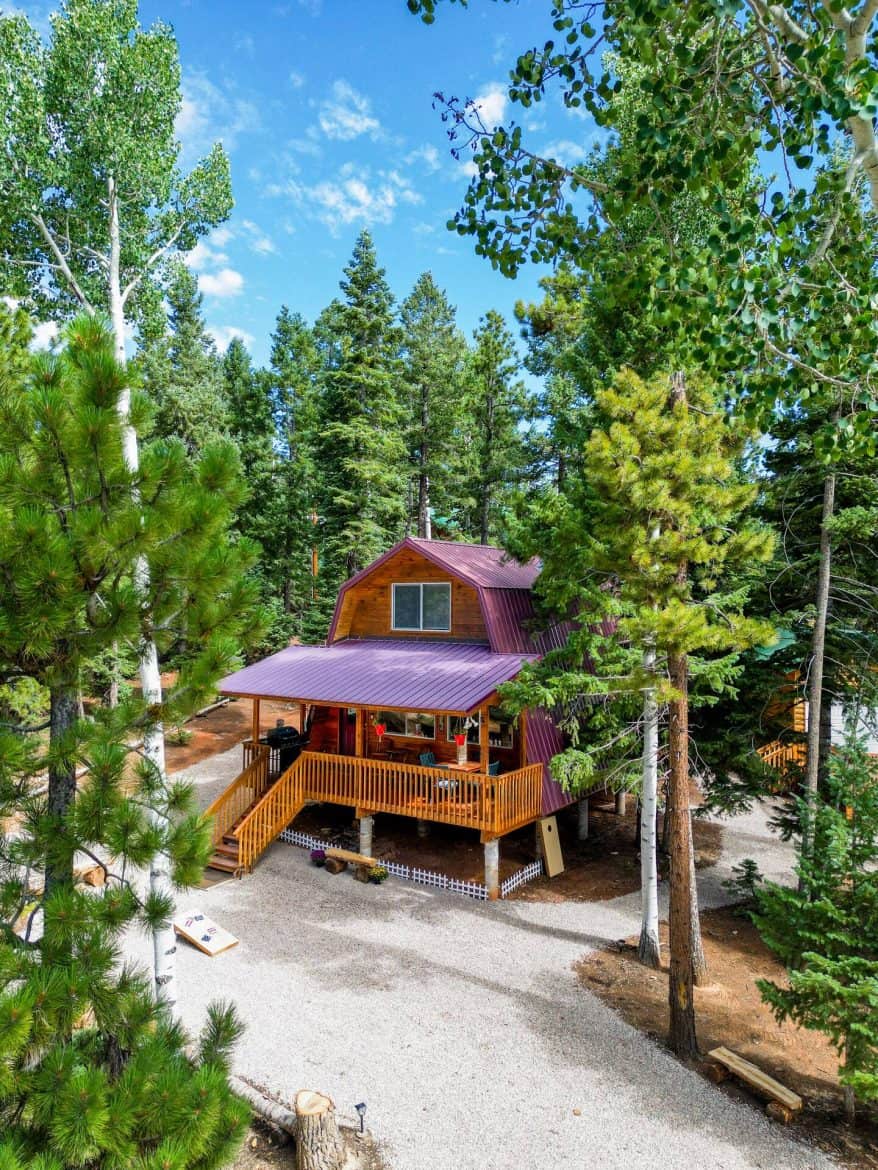
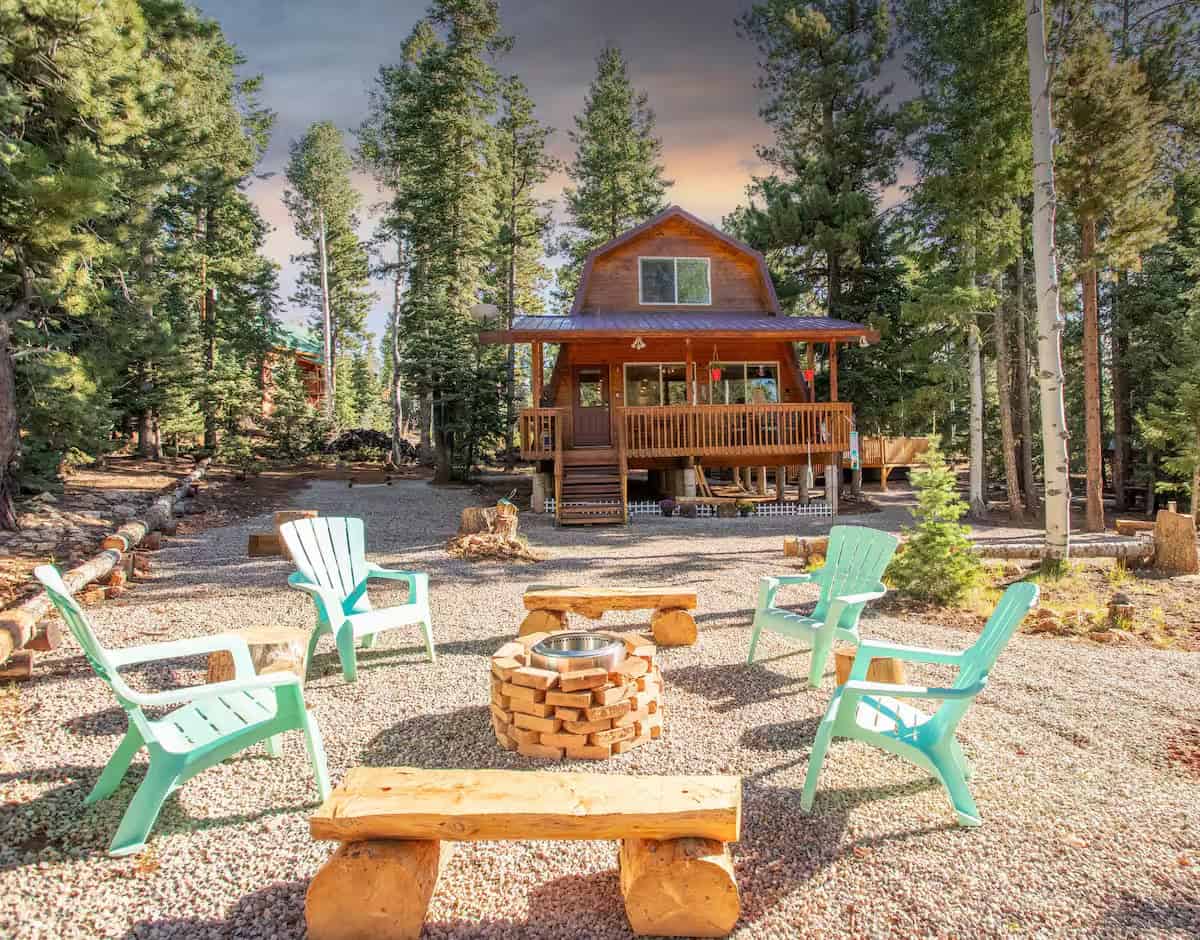
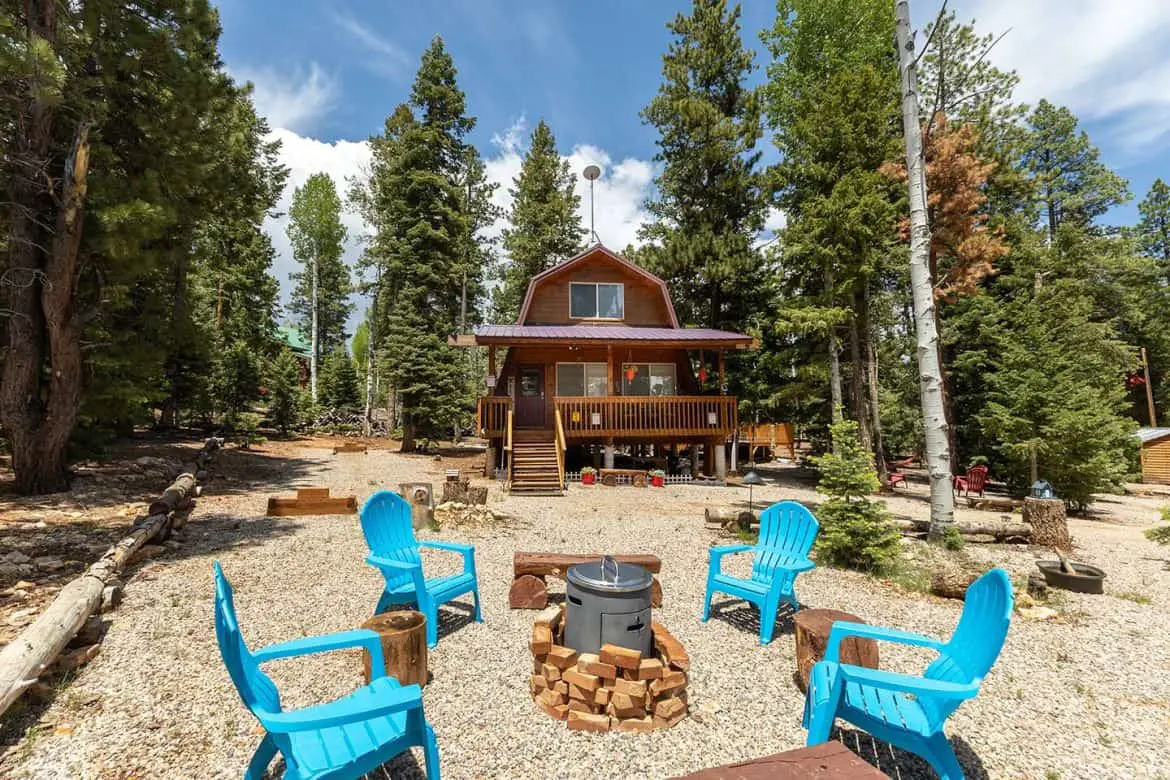
This is a place to stay, not a hotel in the middle of things. It has two bedrooms, a hot tub, a fire pit and a 0.5-acre lot, sitting above 8,500 feet in southern Utah. Think of it as a base for hikes, park drives and quiet evenings outside.
Key Facts for Your Duck Creek Village Stay
- Location: Duck Creek Village, in southern Utah, at more than 8,500 feet.
- Bedrooms: Two.
- Bathrooms: One and three-quarter bathrooms.
- Interior size: More than 1,300 square feet.
- Lot size: About 0.5 acres, with room to spread out outdoors.
- Nearest grocery stop: Cedar City, a sensible place to stock up before the drive up.
Nightly rates change with the dates, so check current rates and availability before you plan a trip. Ask the host for the total sleeping count before you book, especially if you’re travelling as a group.
What I Like About a Duck Creek Village Stay
I’ll admit the setting does most of the work here. Pines, firs and aspens surround the cabin, and the high elevation gives it a quiet feel that’s hard to find near a city. These are the parts I’d pay the most attention to.
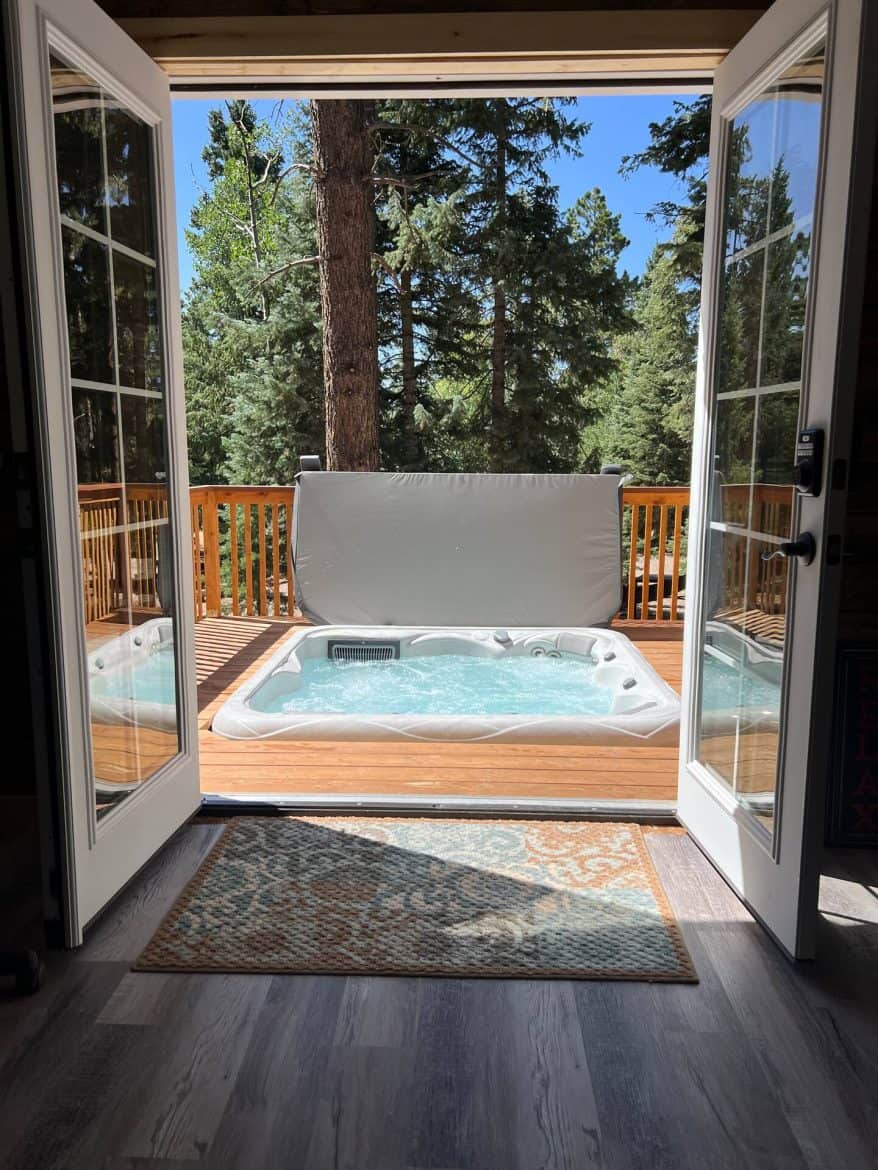
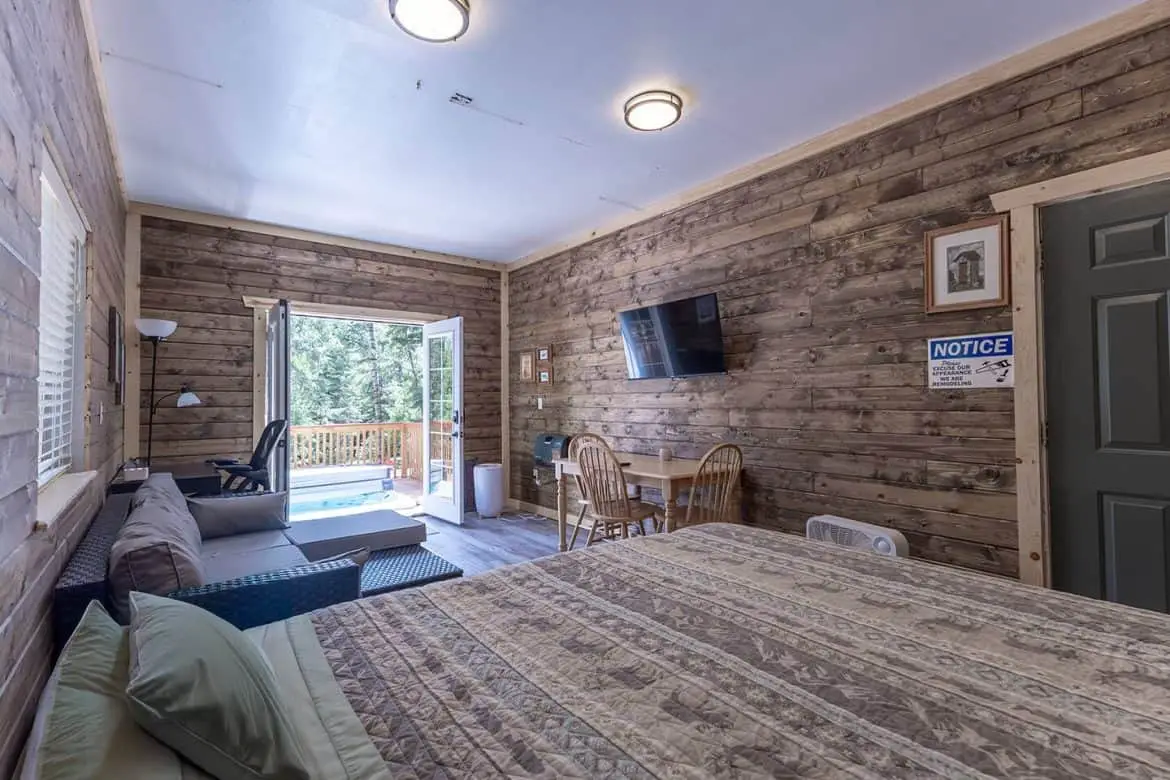
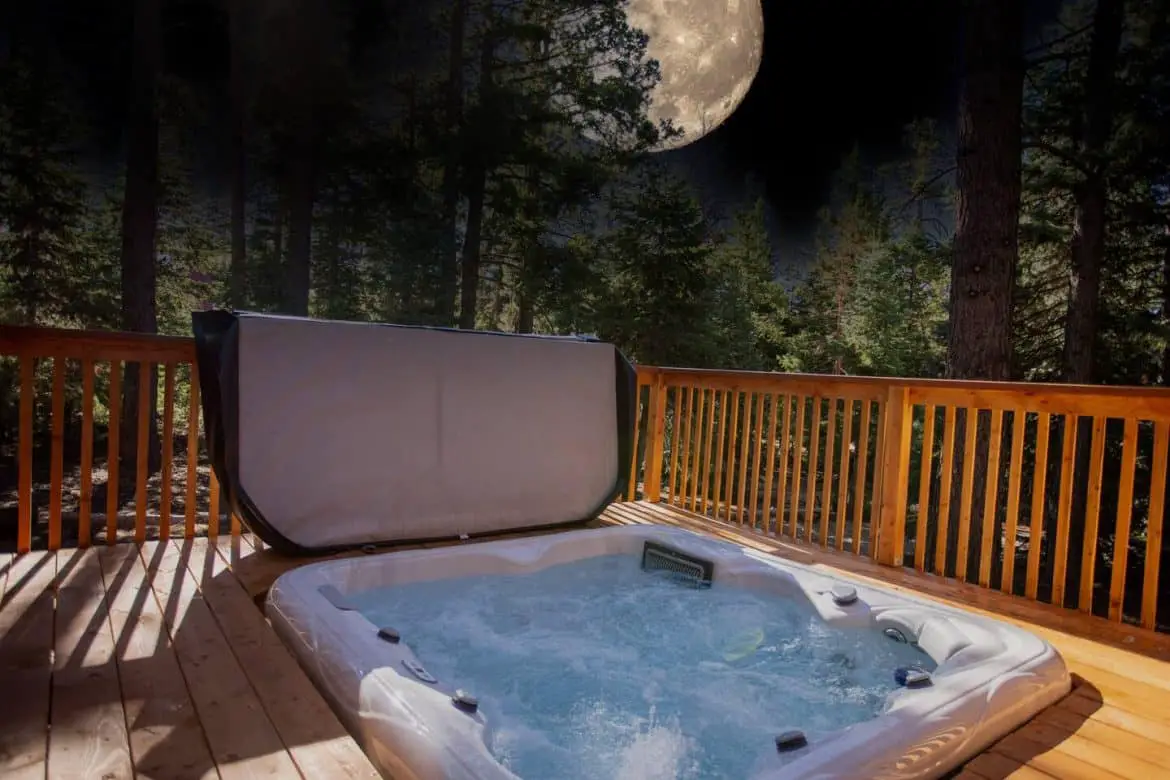
- The hot tub and deck: The hot tub sits on a deck reached through French doors from the small attached cabin, so you can soak and still get some work done.
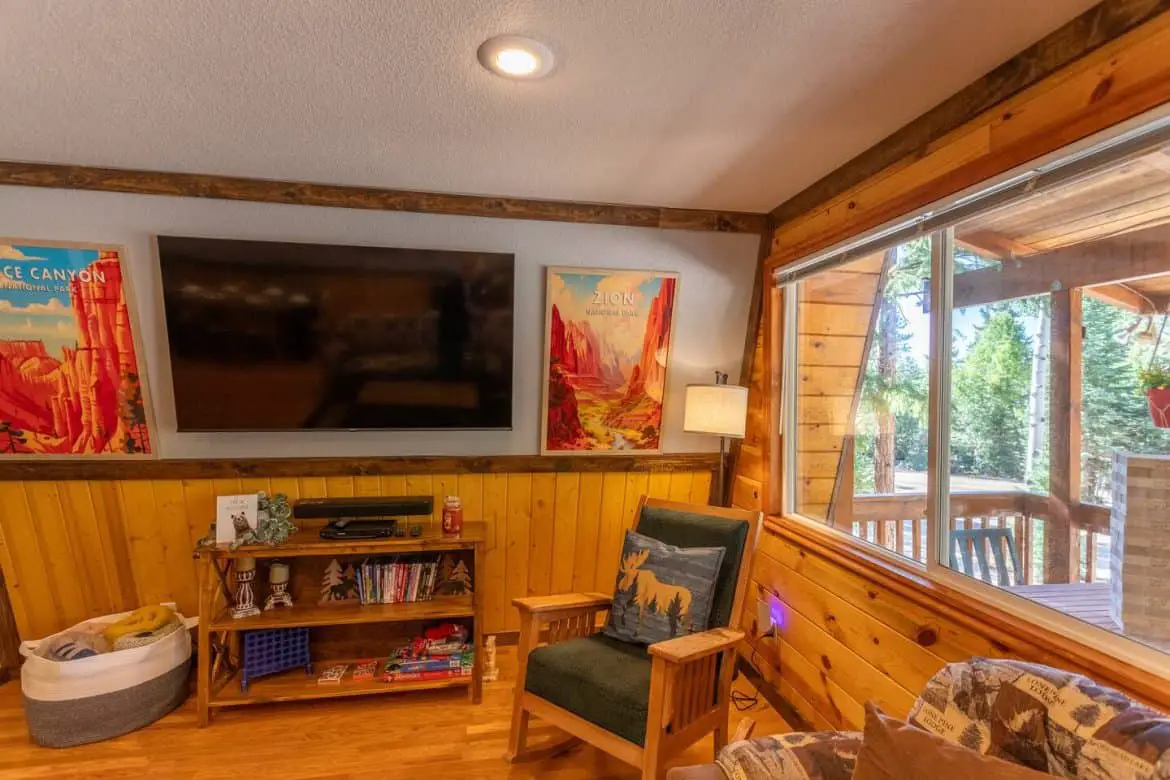
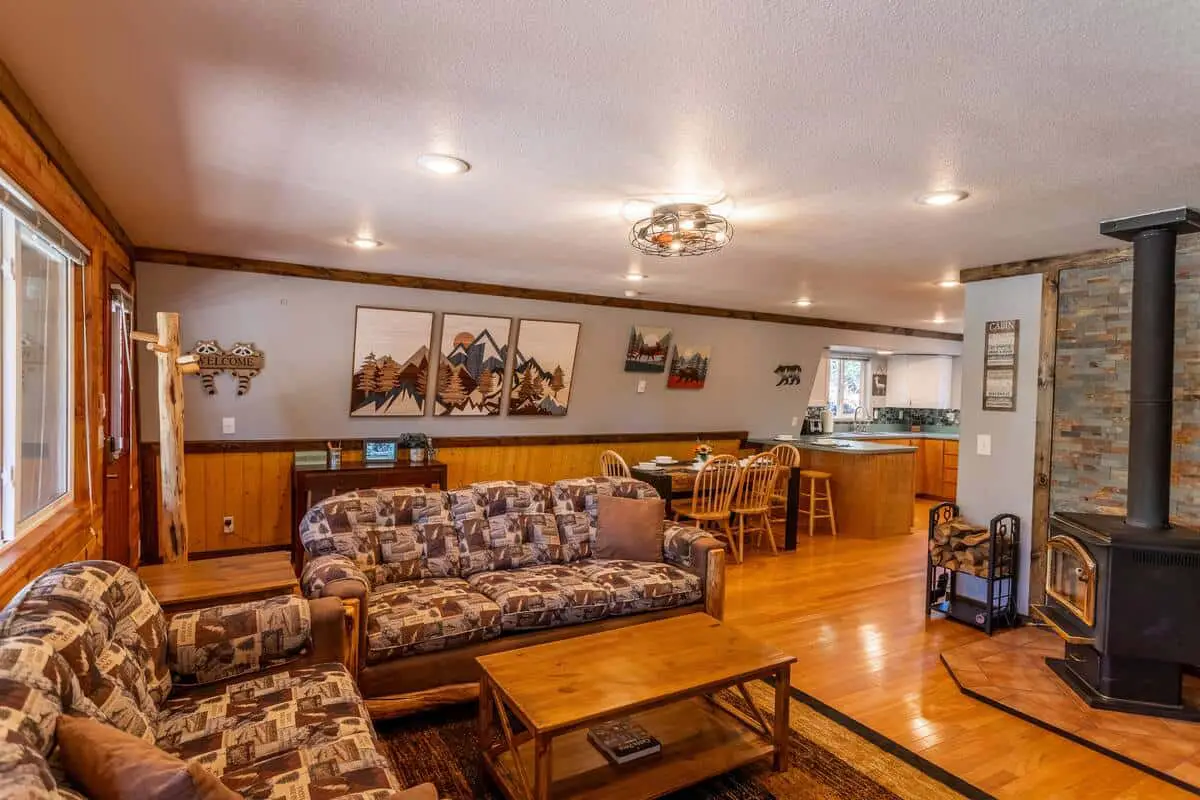
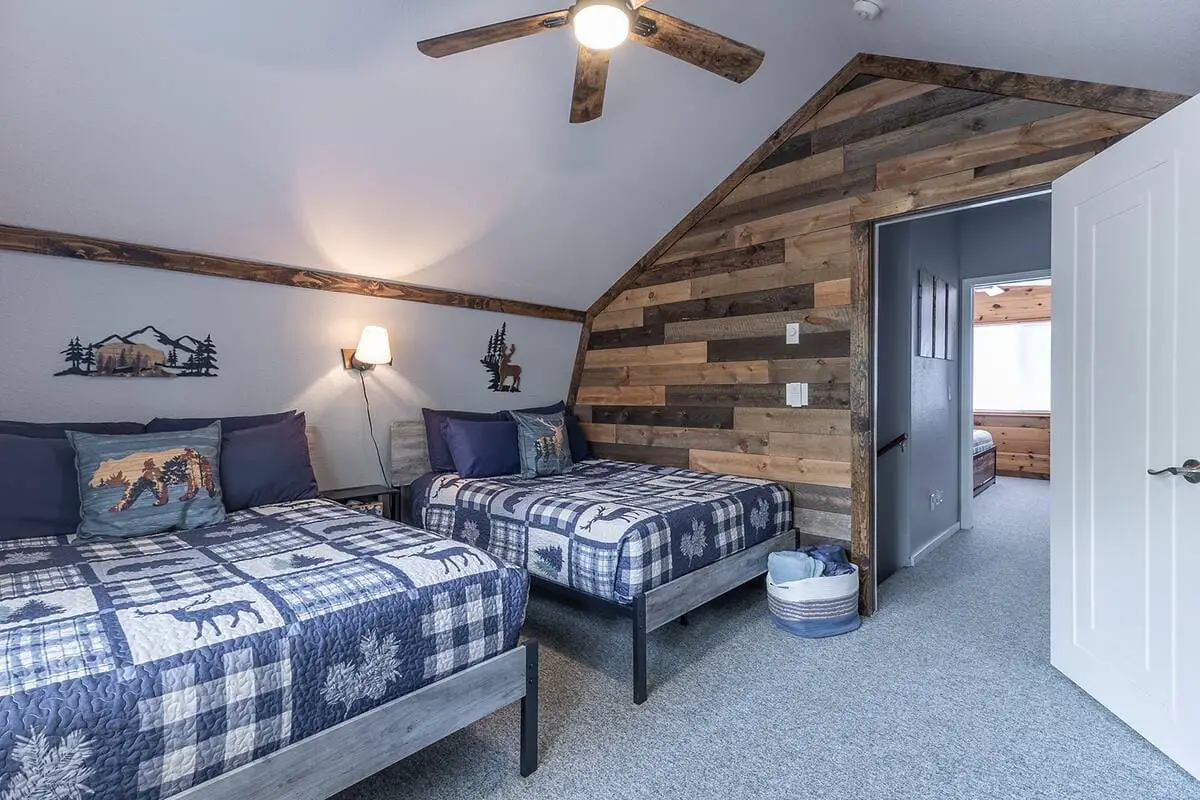
- Room for a group: Two bedrooms and a big living area suit families, couples or small groups sharing a trip.
- Outdoor games: Horseshoe pits, cornhole, giant Jenga and Yardzee give families something to do between hikes.
- Wildlife near the porch: In warmer seasons you may spot mule deer, squirrels, chipmunks and hummingbirds, which makes the covered porch a good place to sit.
- A place to work: The attached cabin has a desk, a chair, a WiFi repeater and a queen Murphy bed, which helps remote workers who want a quiet spot.
For a long weekend with a few people, I think this works well. It suits lazy days as well as busy ones, and that flexibility is a big part of its appeal. If you go, plan one outing each day and leave the rest open for the deck.
What I’d Question Before You Book
Every stay has trade-offs. These are the ones I’d think about first.
- Distance from town: Restaurants and businesses keep very limited hours, so pack meals and supplies before you arrive.
- Snow season: Heavy snow can fall from October to April or May. The host says a 4×4 or all-wheel-drive vehicle with snow-rated tires is needed for a safe trip in those months.
- Dirt and gravel roads: These add to the village’s rustic feel, but they call for slow driving, especially in winter.
- The attached cabin: It is being renovated at the moment, so ask whether it will be ready for your dates.
- Dirt and bugs: The ground is dirt, much like desert country, and seasonal bugs are common, so come ready for a true outdoor stay.
- Cameras: Three audio-enabled, motion-activated cameras cover the front door, the front parking area and the back door. None are inside the cabin or near the hot tub, but privacy-minded guests should know they’re there.
Trails, Parks and Snow Near Duck Creek Village
The real draw is what sits a short drive away. Zion and Bryce are both less than an hour away. Cedar Breaks National Monument, Strawberry Point overlook and Cascade Falls are within about the same drive, so you can fill a few days without repeating a route.
Outdoor fans will find fishing, hiking and some of the most incredible OHV trails in southern Utah nearby. Mammoth Creek and lava flows are also close by, which adds more to see beyond the cabin’s deck. The Brian Head ski resort is very near, so winter visitors can add snowmobiling, sledding and skiing to the trip.
Altitude is worth a thought too. At more than 8,500 feet, some people feel it more than others. If you’re new to high country, take the first day slowly and drink plenty of water. That’s general advice, but it’s easy to skip and regret.
Who This Cabin Suits
- Families who want a quiet base for hiking, outdoor games and park trips.
- Couples who like a hot tub, a fire pit and stars overhead.
- Small groups who want space and a shared living room.
- Remote workers who can check the WiFi before arriving and want a quiet desk.
- Winter visitors who have a capable vehicle and enjoy snow.
Look elsewhere if you want restaurants and shops within walking distance. Skip it if you can’t handle winter roads, or if you need a firm sleeping count before you book and the host hasn’t confirmed one.
Three Questions Guests Ask About Staying Here
How many people can stay in this Duck Creek Village cabin?
The known sleeping spots are the two bedrooms and a sofa bed in the living room that folds down into an extra queen bed. I don’t have a confirmed total, so ask the host before you book, especially for a larger group.
Can I buy groceries and eat out near the cabin?
Plan on a full grocery run in Cedar City before the drive up, since restaurants and businesses in the village keep very limited hours. Ask the host what’s open nearby before you travel, so you aren’t caught without dinner.
Is it safe to reach the cabin in winter?
Heavy snow can fall from October to April or May, and the host says a 4×4 or all-wheel-drive vehicle with snow-rated tires is necessary. Drive slowly on the dirt and gravel roads. Check current road conditions with local authorities before you leave, and have a backup plan if a storm moves in.
Back to the Cut-Off Worry
So, is a Duck Creek Village cabin really cut off? Less than you’d think, if you plan. Stock up in Cedar City, bring the right vehicle in winter, and you’re within an hour of two national parks. Treat the isolation as a packing list, not a dealbreaker.
You may also like
Source: Lots of Cabin