
Most people who hear the words off-grid picture hauling water and hoping the lights stay on. That fear is fair, and it’s the first thing I’d test with any off-grid cabin for sale. This one, in Wister, Oklahoma, comes with a different answer on paper. The seller says current owners run solar, a generator, a water well or rain collection, a septic tank and propane.
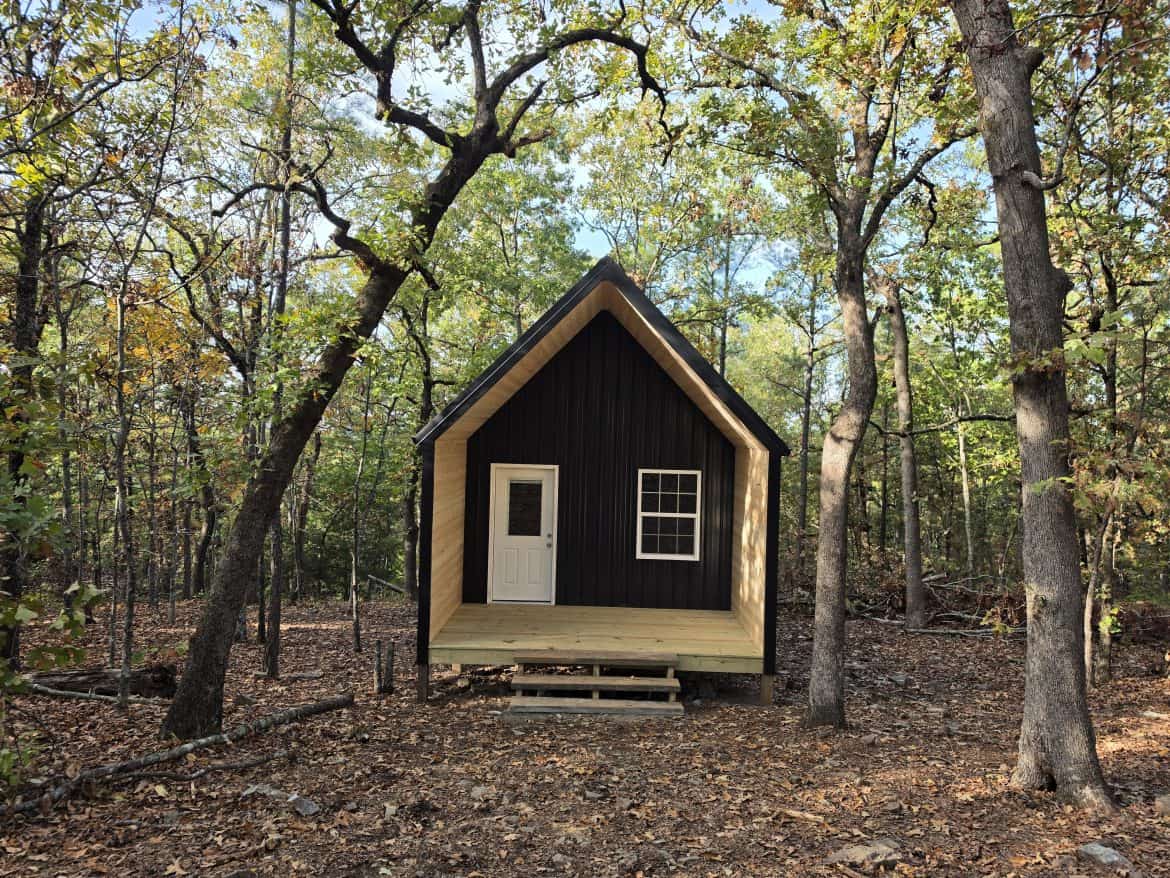
It’s a small place, though. The seller describes a 14 by 20 foot living space, a covered porch and a sleeping loft, about 490 square feet in all. The asking price is $57,500 for a new build on 2.5 wooded acres. The seller uses two phrases, turn-key and ready to be finished, so that’s the first thing to pin down.
Facts About This Off-Grid Cabin in Wister
Here are the details the seller gives. I’ve left out the exact street address, since the general area tells you what you need to know.
- Listed price: $57,500.
- Location: Wister, in Le Flore County, southeastern Oklahoma, on 2.5 wooded acres.
- Living space: 14 by 20 feet.
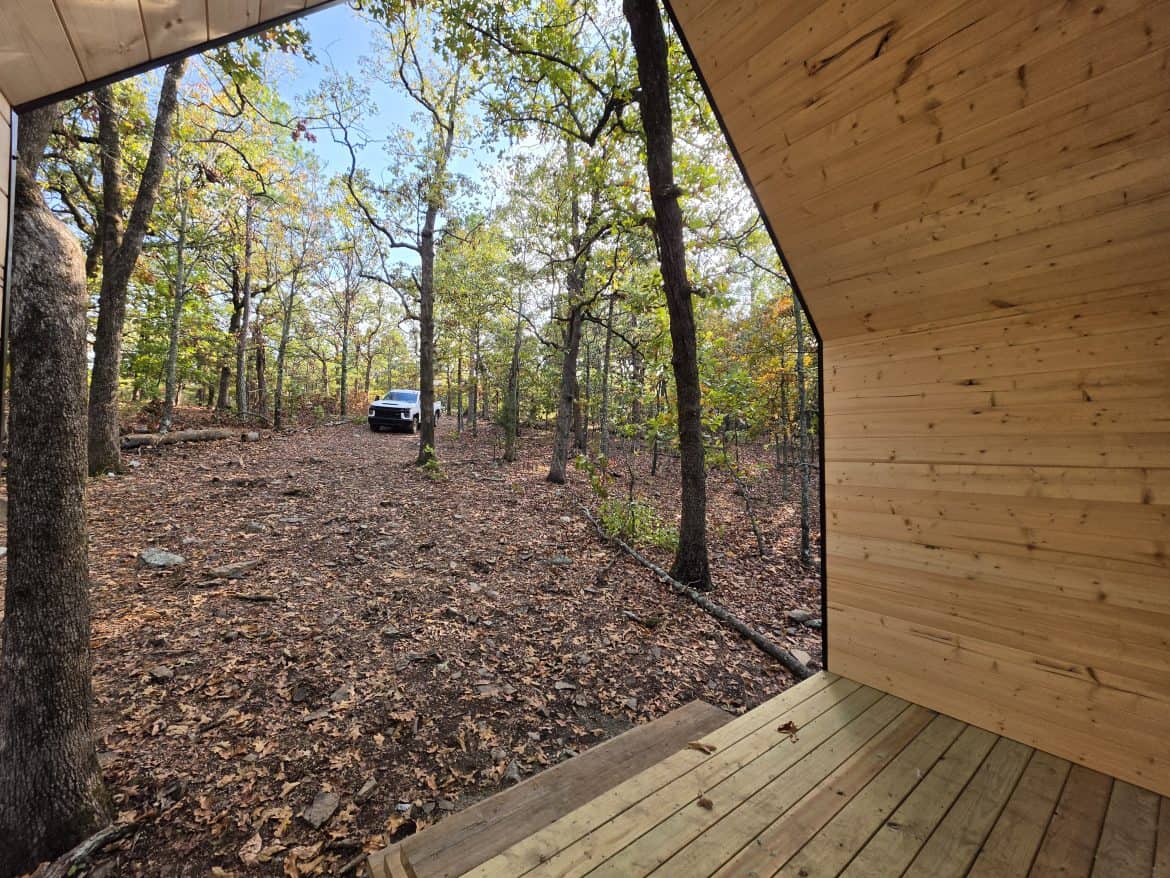
- Covered porch: 8 by 14 feet along the front.
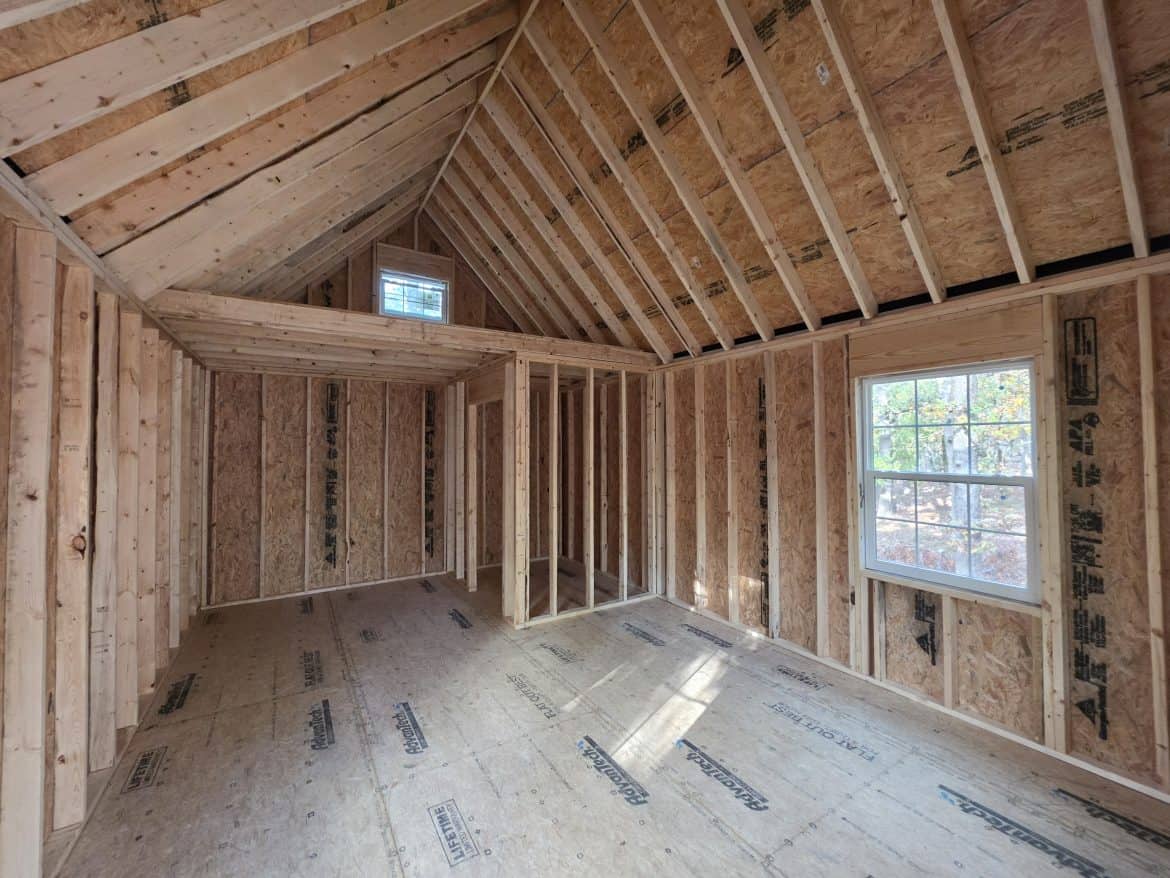
- Sleeping loft: 7 by 14 feet.
- Total size: about 490 square feet.
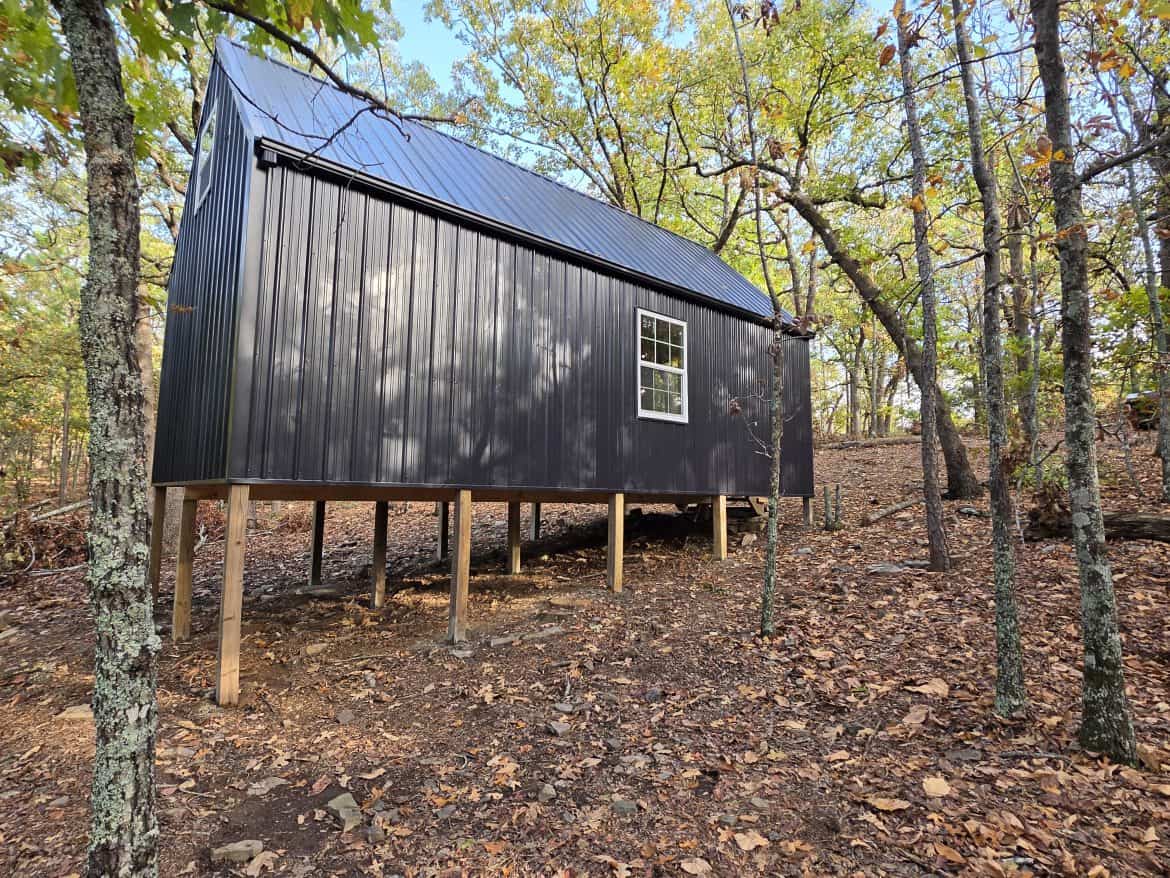
- Construction: new build with a sheet metal exterior, aluminum rain gutters and a post and beam foundation.
- Utilities: not connected to public utilities. Owners currently use solar, a generator, water from a well or rain collection, a septic tank and propane.
- Access: a dirt road the seller calls all-weather, running 2.5 miles from a county paved road. The county doesn’t maintain it.
What I Like About This Wister Cabin
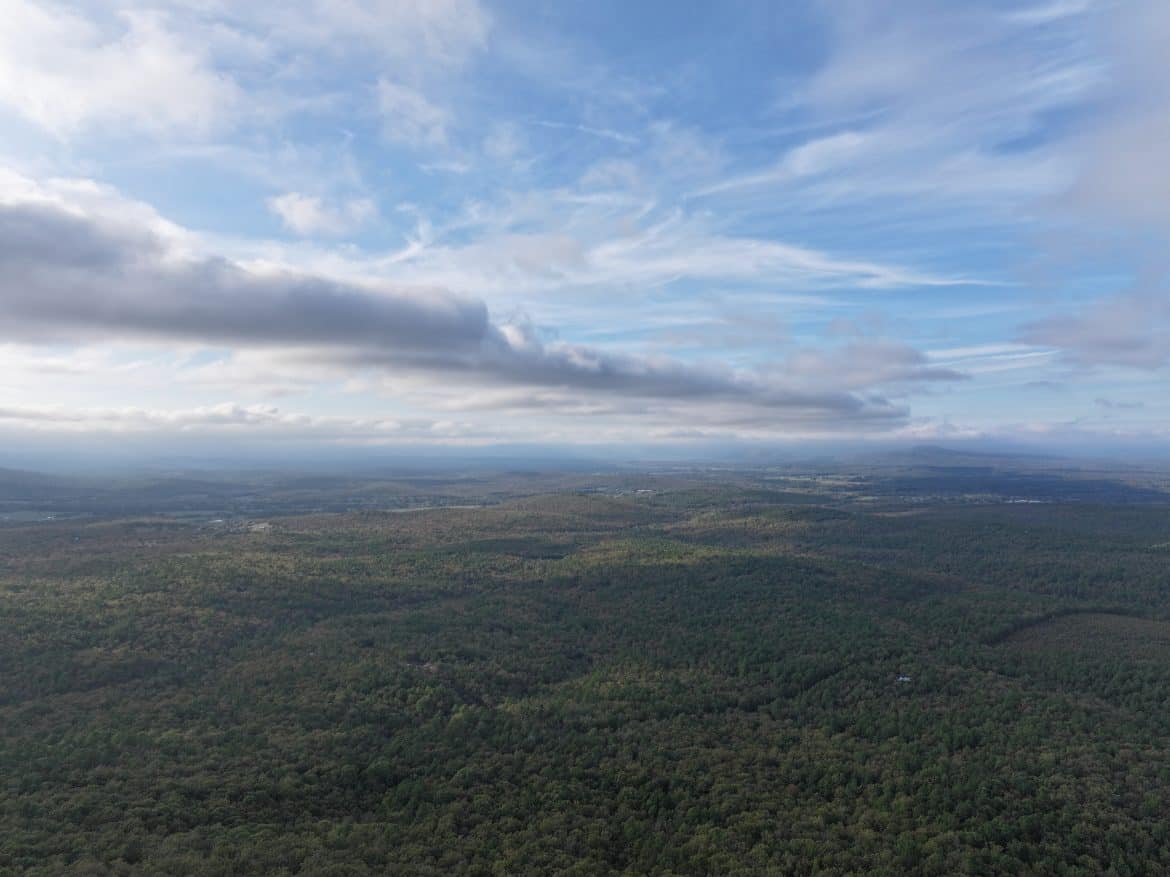
The setting is the strongest part of this sale. The seller puts the property about a mile from the western border of the Ouachita National Forest, which the seller says covers 1.8 million acres. Talihina Scenic Drive, Hochatown, Broken Bow and Poteau are a short drive away, and Dallas is about three and a half hours off.
- Privacy: The seller calls the spot secluded, yet it’s only about two miles from town, which helps when you need supplies.
- Known systems: You get a named list of power and water sources, which gives you a clear checklist to inspect.
- Outdoor use: The seller describes trails through mature timber, rock outcroppings and logging roads that suit hunting and ATV riding.
The number is what gets most people’s attention. I’d call it a fair starting point to investigate, not a deal until you’ve checked the details.
What I’d Question Before You Offer
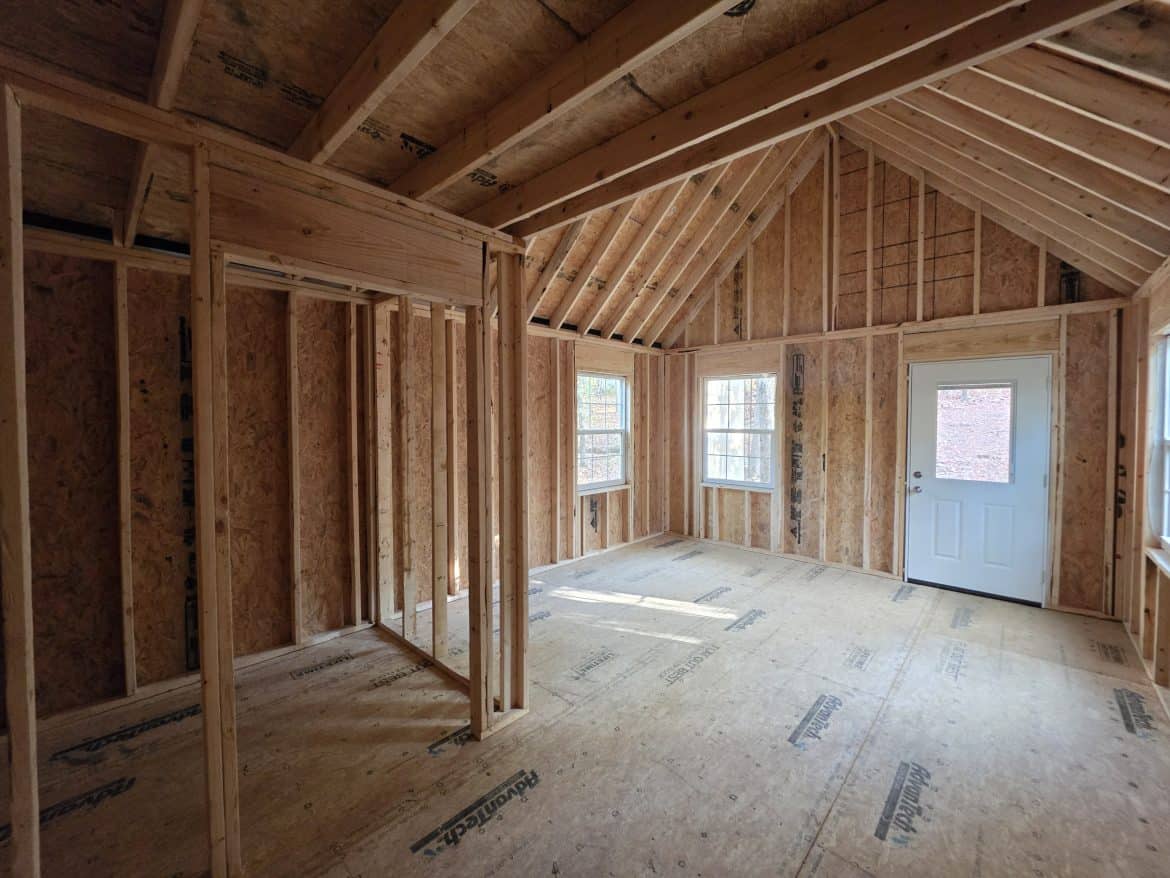
- Turn-key or unfinished: The seller uses both terms, so ask exactly what’s done inside, such as walls, electrical and plumbing.
- Who keeps the road up: The county doesn’t maintain the 2.5-mile dirt road. Ask who grades it and who pays.
- Loft height: A 7 by 14 foot loft can hold a bed, but no headroom figure is given. Ask before you plan a sleeping space up there.
- System size: The seller doesn’t give the solar size, generator details, well yield or septic age. Those answers decide how easy your weekends will be.
How the Layout Works in 14 by 20 Feet
The living space works out to 280 square feet. The porch and loft make up the rest of the roughly 490 square feet the seller quotes, and the numbers add up. The porch is covered and sits at the front, so it’s the spot I’d picture for morning coffee in mild weather.
A room that size is cozy. For one or two people on weekends it can feel right, but a family would need to plan carefully where a bed, a kitchen and a table go. The seller doesn’t mention door or window positions, so ask where they are before you plan furniture.
- The loft is the only sleeping space the seller describes, so think about where anyone beyond two people would sleep.
- The covered porch adds about 112 square feet of sheltered outdoor space.
- Storage isn’t mentioned at all, so plan for it early.
What the Off-Grid Cabin Price Leaves Out
The listed price is $57,500 at the time of writing. Prices change, so confirm the current figure with the seller before you plan a budget.
The price doesn’t cover everything you’ll spend. Set aside money for:
- Finishing work: any interior jobs the seller hasn’t done yet.
- Off-grid systems: upkeep, repairs or upgrades for the solar, generator, well or rain catchment.
- Propane: ongoing refills for the tank.
- Road upkeep: your share of grading and repairs on a road the county doesn’t maintain.
- Hauling: getting building materials, furniture and deliveries down 2.5 miles of dirt road.
- Permits: any building, septic or electrical permits the county requires for your plans.
- Taxes, insurance and closing costs: ask the county, an insurer and your agent for current figures.
Who an Off-Grid Cabin for Sale Like This Suits
I’d consider this if you want a weekend base, a hunting spot or a low-pressure way to test rural living. The seller says deer, wild turkey, black bear and wild hogs are regularly seen, so wildlife is part of the draw.
- Handy buyers who don’t mind finishing work and plan to do some of it themselves.
- Hunters and hikers who want public forest close by.
- Anyone happy to haul supplies and manage their own power and water.
Look elsewhere if you need a finished, move-in-ready home right away. Also skip it if you want utility hookups, town water or easy year-round road access. A family that needs several separate bedrooms would find the layout too tight.
Questions Buyers Tend to Ask Next
Can you really run an off-grid cabin on solar and a well?
The seller says owners use solar, a generator, a water well or rain collection, a septic tank and propane. Combining sources like these is a common setup. Whether they work for you depends on how much power and water you use and how each system was sized. Ask for those details and a recent water test before you rely on them.
How do you reach the property, and who keeps the road up?
The seller describes a dirt road that starts on a county paved road about half a mile off the main road, then runs 2.5 miles through rocky ground. It’s a recorded public easement, and the county doesn’t maintain it. Ask who grades it and how repairs get paid for, and think about delivery trucks too.
Will I need permits to finish or live in a cabin like this?
That depends on Le Flore County and on your plans. Building, septic and electrical rules vary from place to place, so call the county’s planning or building office before you start. Ask whether a permit applies to finishing the interior, adding a system or living there full time. Treat that call as your first step, not a formality.
Back to the Off-Grid Worry
I opened with the fear of hauling water and sitting in the dark. That fear is reasonable, but this cabin doesn’t have to mean living that way. The seller names solar, a generator, a well or rain water, a septic tank and propane as current parts of the setup. Your job is to find out how well each one works before you sign.
My verdict: this is worth a close look if you’re handy, want a weekend base and don’t mind a rough start. If you need a finished home fast, I’d skip it. The one thing to check first is what’s actually finished inside, plus how the solar, well and septic perform before you make an offer.
You may also like
- 30×32 Gambrel Cabin: Two Stories and Wraparound Porches
- Golf Sim Cabin 16×36: Price and What’s Included
Source: United Country