
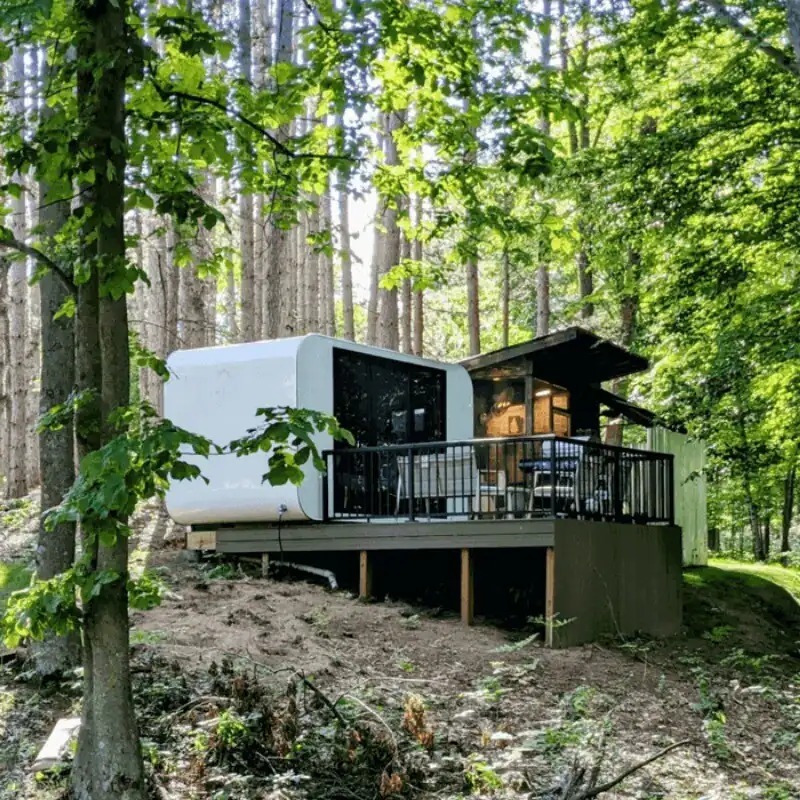
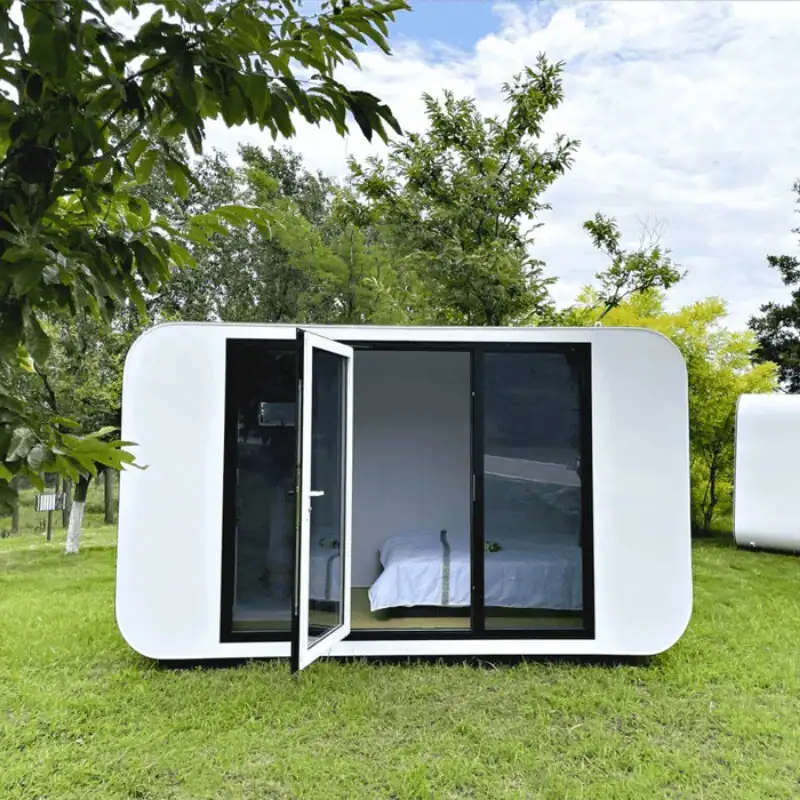
Can a tiny house pod at this price really work as a place to live? I read through the details closely, and my honest answer is yes, but only for some buyers, and only if they plan for everything the price leaves out. The unit is a 13 by 7.4 foot steel pod with one bedroom and one bathroom, listed at $17,999.
Let me be clear about what this is and what it isn’t. It’s a compact prefab unit of about 96 square feet, not a complete property. Land, a foundation, utility hookups and delivery aren’t covered in the details I have, so those are on you to sort out.
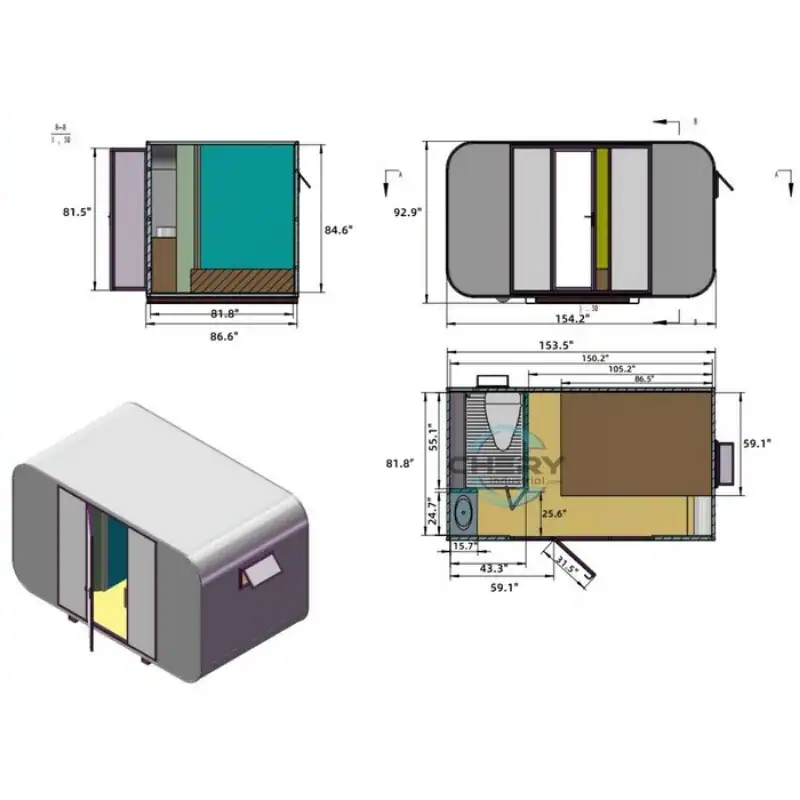
| Listed price | $17,999 at the time of writing |
| Size | 13 ft x 7.4 ft |
| Bedrooms | 1 |
| Bathrooms | 1 |
| Height | 7.7 ft |
| Floor area | 96.2 sq ft (gross) |
| Construction | High-strength steel |
| Warranty | 1-year manufacturer warranty |
| Maker | CHERY Industrial |
What a Tiny House Pod Costs at $17,999
The seller lists this unit at $17,999 at the time of writing. On paper that’s an attractive number for a steel unit with its own bedroom and bathroom. Still, that figure covers the unit itself, and prices change, so confirm the current number with the seller before you plan around it.
The sticker price is only the start. Here’s what I’d set aside separately, and I’d get a quote for each line:
- Land or a lot, plus any lease or site fees if you don’t own the ground.
- Site prep and a foundation or pad, which depends on your soil and local rules.
- Delivery and the lift or trailer needed to move and set a unit this size.
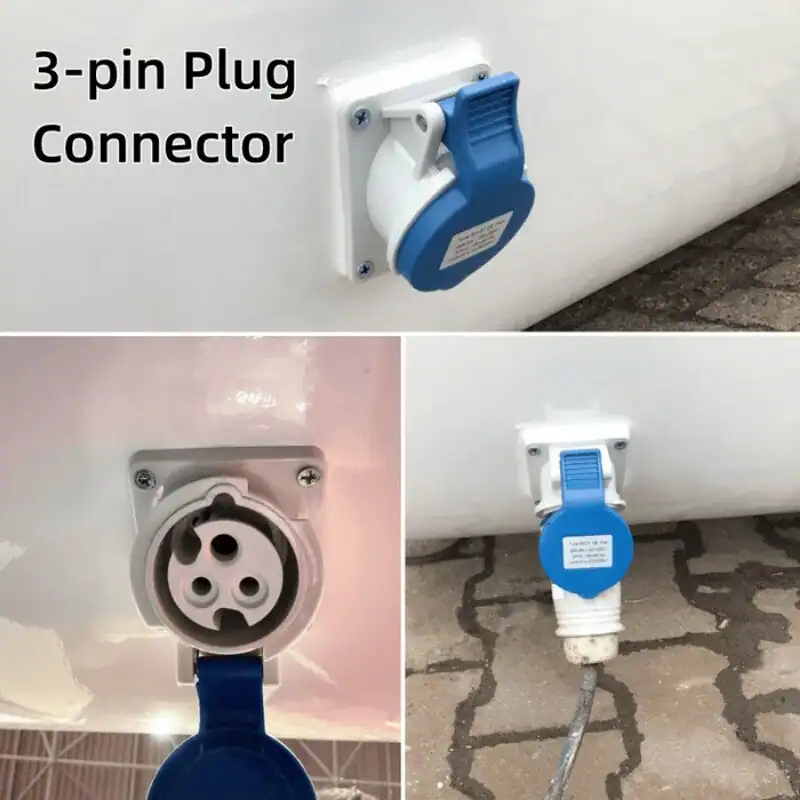
- Utility hookups for power and water, plus sewer or septic, or the cost of off-grid gear.
- Permits and inspections from your county or city.
- Insulation, interior finishing and furniture, none of which the maker’s description covers.
Ask the seller in writing whether delivery and setup are included. It’s an easy line to forget, and it can change the total more than you’d expect.
How the 96 Square Feet Is Laid Out
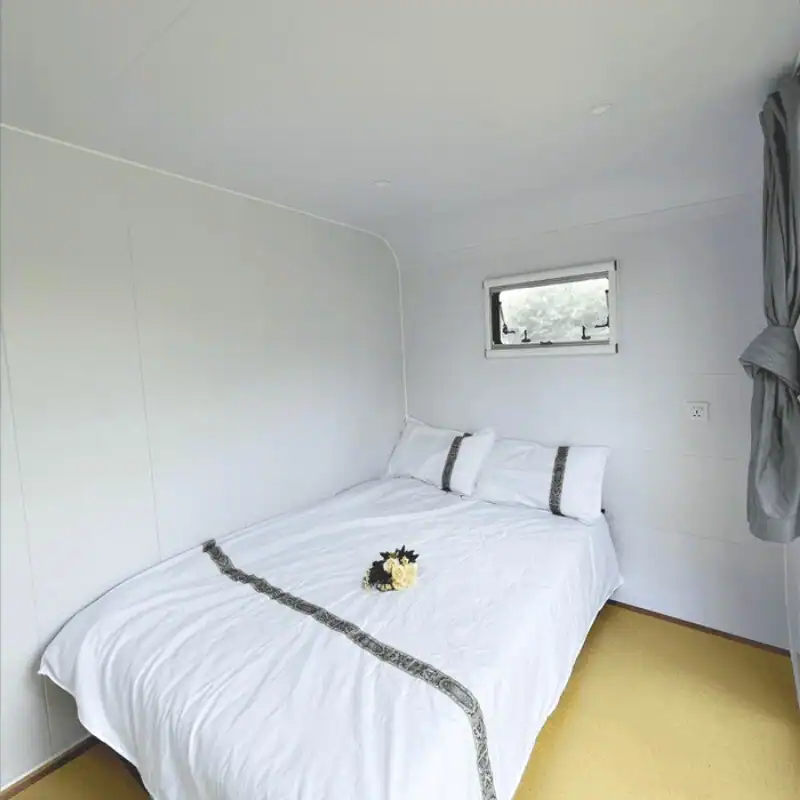
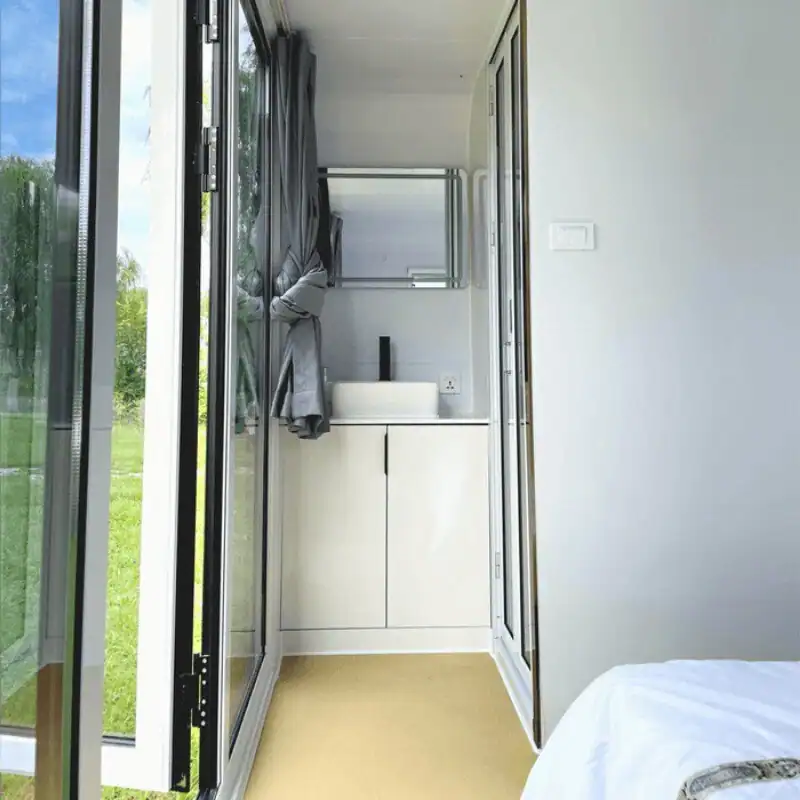
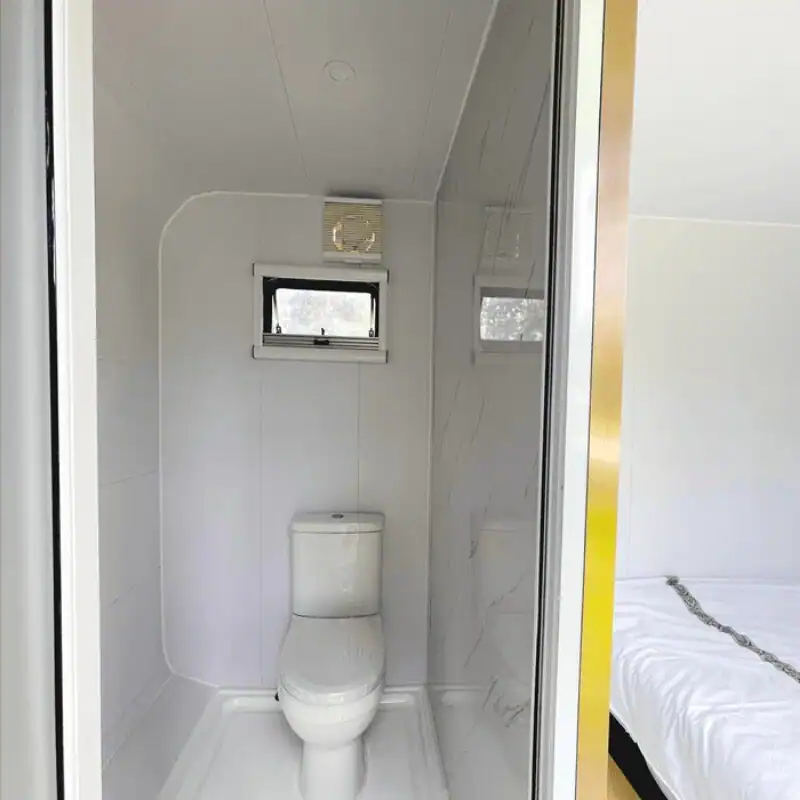
CHERY Industrial says the interior uses space-saving furniture to fit living and storage into a small footprint. I don’t have a floor plan, though, so I can’t tell you where the bed, bathroom or storage sits. That’s the first thing I’d ask for, because the walkways matter more than the total square footage.
Ninety-six square feet is tight for any tiny house pod. When you look at a plan, check these points:
- Walkways: Count the steps from the bed to the bathroom door and to the exit.
- Fold-out pieces: A table or bed that folds down only helps if you can open it without moving everything else.
- Work space: If you plan to work from it, make sure a desk fits without blocking the door.
- Sleeping: One bedroom means one sleeping area, so plan where a second adult would sleep.
Why the Steel Shell Stands Out
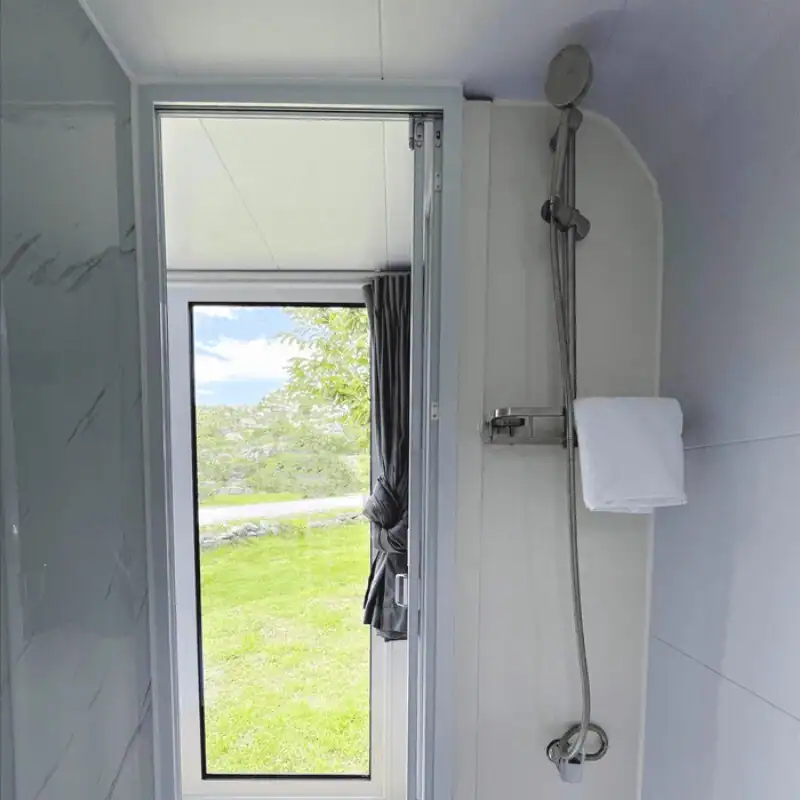
The steel shell is the feature that sets this unit apart from wood cabins. CHERY Industrial describes it as high-strength steel that holds up in different weather and needs little upkeep. The maker also talks about clean lines and a mix of glass and steel. Those are the maker’s claims, so test them yourself.
Steel suits a small, movable box, but it has trade-offs. Metal walls can run hot in summer sun and cold in winter unless they’re insulated, and rain can be loud on bare steel. Ask how the unit is insulated and whether it has a vent or fan. The warranty is one year from the manufacturer, which is short, so read what it covers before you sign anything.
Who a Tiny House Pod Suits Best
I’d look at this unit if you already own land and want a small guest room, a home office or a weekend getaway. It also fits a single person or couple who has already worked out the costs beyond the sticker price. Here’s who I’d put on the shortlist:
- Someone with land who wants a quiet office or a place to sleep apart from the main house.
- A remote worker who wants a space away from home distractions.
- A single person or couple who can live with one room for sleeping, sitting and working.
- A buyer who has already priced the site, utilities and permits.
It’s a poor fit if you need room for a family, or if you plan to live in it full time without knowing the utility costs and zoning rules. If you work from it, the maker says the window placement leaves room for a desk and natural light. Test that claim. Ask for window locations on a plan, then mark out a desk footprint on the floor before you commit.
Three Questions Buyers Ask Before Buying
Does a unit this size need a permit?
It depends on where you put it. Zoning, setback and building rules vary by county and city, so call your local planning or building office before you pay for anything.
Can you move a steel pod once it’s set?
The maker’s description calls it portable, which is useful if you want flexibility. A move still takes a trailer or crane, a route that fits the unit, and someone who knows how to secure it. Ask CHERY Industrial for the weight and transport details before you plan any move.
Does the price include delivery and hookups?
The details I have don’t say, so don’t assume it does. Ask the seller in writing what’s included, such as delivery, setup, utilities and any fees, plus the warranty terms.
Back to the $17,999 Question
So, can a tiny house pod at $17,999 work for you? For someone who already owns land, has a plan for utilities and checks local rules, it can be a practical small space for sleeping, working or getting away. If you expect a complete home at that price, the gap will be large. The one thing to check first is whether the unit can legally sit where you want it, because nothing else matters if the answer is no.
You may also like
Source: Lots of Cabin